
Loading...
Serving Larkspur, CA and surrounding areas. (415) 390-3464
Cracked mortar and damaged bricks let water into your home every wet season. We assess the damage, source matching materials, and repair your masonry before small problems turn into costly rebuilds.
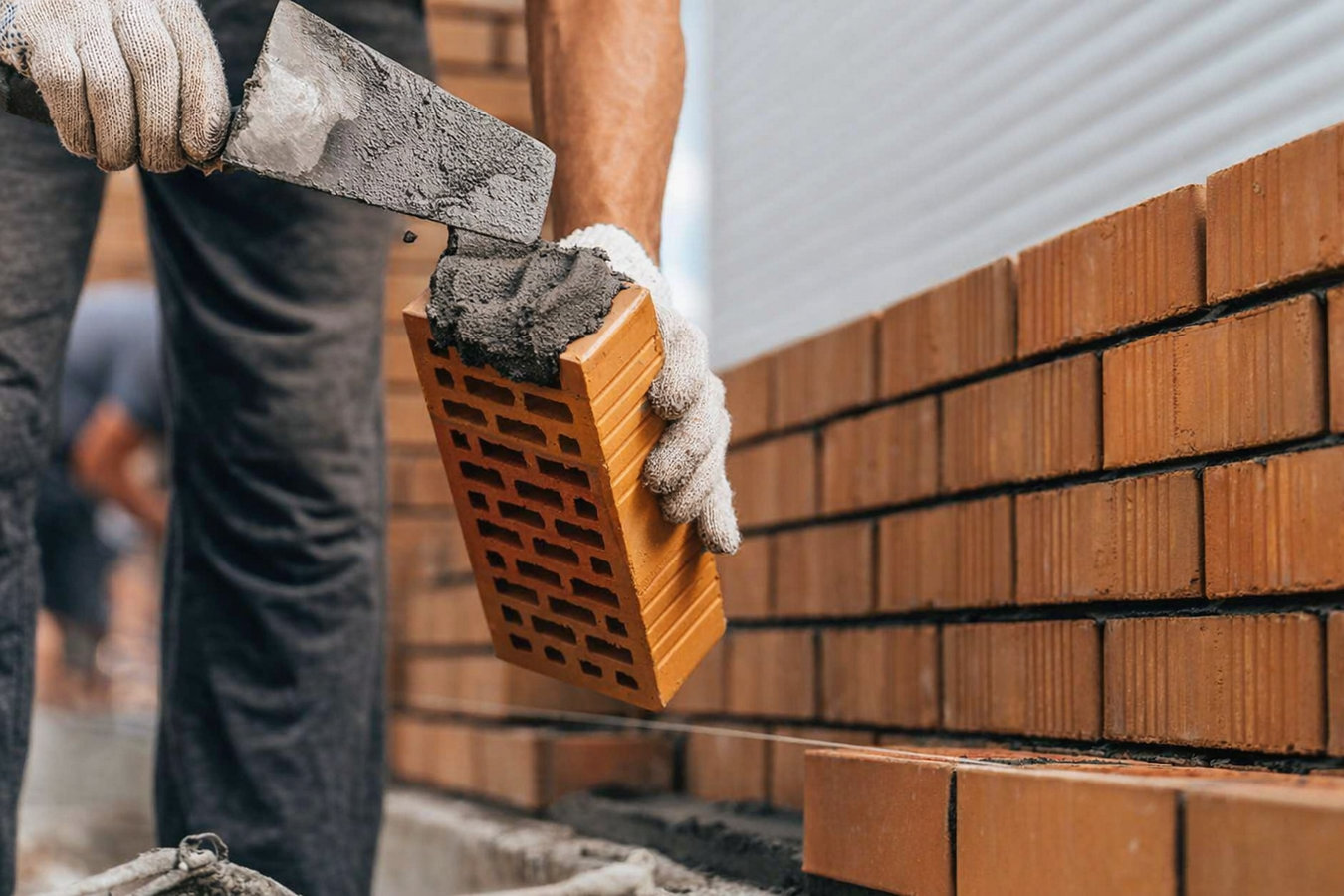
Brick repair in Larkspur covers everything from refilling worn mortar joints to replacing individual bricks that have cracked, spalled, or shifted. A small focused job - a chimney or a short section of wall - is typically done in a single day. Larger repairs may take two to three days. You do not need to leave your home; the work happens outside.
The mortar joint is the designed weak point in any masonry wall - it absorbs movement and moisture so the bricks stay intact. When the joints fail, water takes over. In Larkspur, with annual rainfall averaging around 40 inches and marine fog pushing moisture into masonry nearly every morning, deteriorating joints accelerate fast. Catching the problem at the mortar stage - with tuckpointing - is almost always cheaper than waiting until the bricks themselves are damaged and need replacement.
Most of these warning signs are visible from the ground or with a quick hands-on check.
Run a finger along the joints on your chimney or exterior wall. If the mortar feels soft, sandy, or flakes away easily, it has lost its binding strength. In Larkspur's wet winters, deteriorated joints let water in fast - and once water is moving through the wall, brick damage follows.
When the surface of a brick starts to flake off in thin layers, the brick itself has been damaged - usually by water getting in and expanding during cold nights. This is called spalling. Spalled bricks get worse over time if the underlying moisture problem is not fixed, and they cannot simply be patched over.
Those chalky patches are efflorescence - mineral salts left behind as water moves through the masonry and evaporates on the surface. It shows up most on north-facing walls and chimneys that stay damp through Marin County winters. It means water is getting in through failing joints.
The Bay Area sees minor tremors regularly, and even shaking you barely felt can loosen mortar joints or shift brick courses. New hairline cracks in a chimney or garden wall after a tremor are worth having a mason assess. What looks cosmetic can be the start of a structural shift.
We handle the full range of brick repair work - from mortar joint restoration on a chimney to replacing individual damaged bricks in a garden wall or exterior facade. Our first step on any job is an honest assessment of what actually needs attention. Some homeowners expect to replace bricks and find the mortar is the only issue - a tuckpointing job that costs a fraction of full replacement. Others find the reverse: the joints look acceptable but individual bricks have cracked or spalled and need to come out. We tell you which situation you are in before any work begins.
Older Larkspur homes often have bricks that were made regionally and are no longer produced. Matching them requires sourcing salvaged material or custom-tinting mortar to minimize how much a repair stands out. When the damage is widespread enough that mortar alone will not hold the wall, we can assess whether full section rebuilding or a structural solution is the better path - including foundation and hardscape work where brick integrates with other masonry surfaces around the property.
For chimneys with deteriorated joints, cracked caps, or spalled bricks that are letting water into the firebox or interior walls.
Suited to homes with sections of failed mortar across brick siding, garden walls, or decorative masonry facades.
Right for walls where specific bricks have spalled, shifted, or cracked and the surrounding masonry is otherwise sound.
Larkspur gets around 40 inches of rain a year, most of it hitting hard between November and March. That repeated wet-dry cycle is hard on mortar joints, especially on north-facing walls and chimneys that do not dry out quickly between storms. A lot of Larkspur's housing was built between the 1920s and 1960s - and brick from that era was often made in small regional kilns that no longer exist, which means matching replacement brick requires sourcing salvaged material. This adds time and sometimes cost to repairs, but it preserves the character of older homes in a neighborhood where people pay attention to how properties are maintained.
The Bay Area's seismic activity adds another layer. Even tremors that barely register can loosen mortar joints or shift brick courses over time, and homeowners in San Anselmo and Corte Madera deal with the same combination of wet winters and seismic exposure that Larkspur brick sees. If you have noticed cracks or uneven joints and have not had the masonry looked at in a few years, a quick assessment before the rains return is worth the call. The County of Marin Community Development Agency handles permits for any structural masonry work that goes beyond routine repair.
We reply within one business day. Tell us where the damage is, roughly how much wall is involved, and whether you have noticed water getting inside. We schedule an in-person visit - no honest price comes from a photo.
We walk the area with you, point out what we see, and explain what needs to be done in plain terms. You get a written estimate that breaks down the work - not just a single number - so you know what is included and what is not.
We remove old mortar to the correct depth, clean the joints, and pack in a matched replacement mix. If bricks need to come out, they are set and mortared in at this stage. The work area is cleaned before the crew leaves each day.
Fresh mortar needs 24 to 48 hours before it should get wet and up to 28 days to reach full strength. We walk the finished job with you, review the work together, and tell you what to avoid during the curing window.
We reply within one business day. Free written estimate after an in-person visit - no pressure, no obligation.
(415) 390-3464Brick from the 1920s through 1960s is no longer produced. We source salvaged material and custom-tint mortar to match your home's original brick as closely as possible. A repair that blends in matters more than one that just fills the gap.
Routine tuckpointing rarely needs a permit in Marin County. Structural or chimney rebuilding work may require one through the County of Marin Community Development Agency. We tell you upfront which category your job falls into and handle the paperwork when a permit is required.
If more than a large portion of a wall's mortar is deteriorated or bricks have shifted significantly, patching may not be the right answer. We give you a straight assessment of whether repair or section rebuilding is more cost-effective, and we do not push work that your home does not actually need.
We have worked on homes across Larkspur and surrounding Marin communities since 2019 and understand the combination of coastal moisture and seismic activity that affects brick here. That local knowledge changes how we assess cracking patterns and choose repair methods.
Getting the material match right and removing old mortar to the correct depth before the new goes in - those details are what separate a repair that lasts from one that fails in two seasons. The Mason Contractors Association of America and the Brick Industry Association both set standards our masons follow for joint preparation and material selection.
Brick and paver driveways that complement your home's masonry and hold up through Marin County's wet-dry seasonal cycle.
Learn MoreWhen your mortar is failing but the bricks are still intact, tuckpointing is the faster, lower-cost fix that seals the wall.
Learn MoreBrick damage caught early costs a fraction of the price of a rebuild. Call today and get a written estimate before the rains return.