
Loading...
Serving Larkspur, CA and surrounding areas. (415) 390-3464
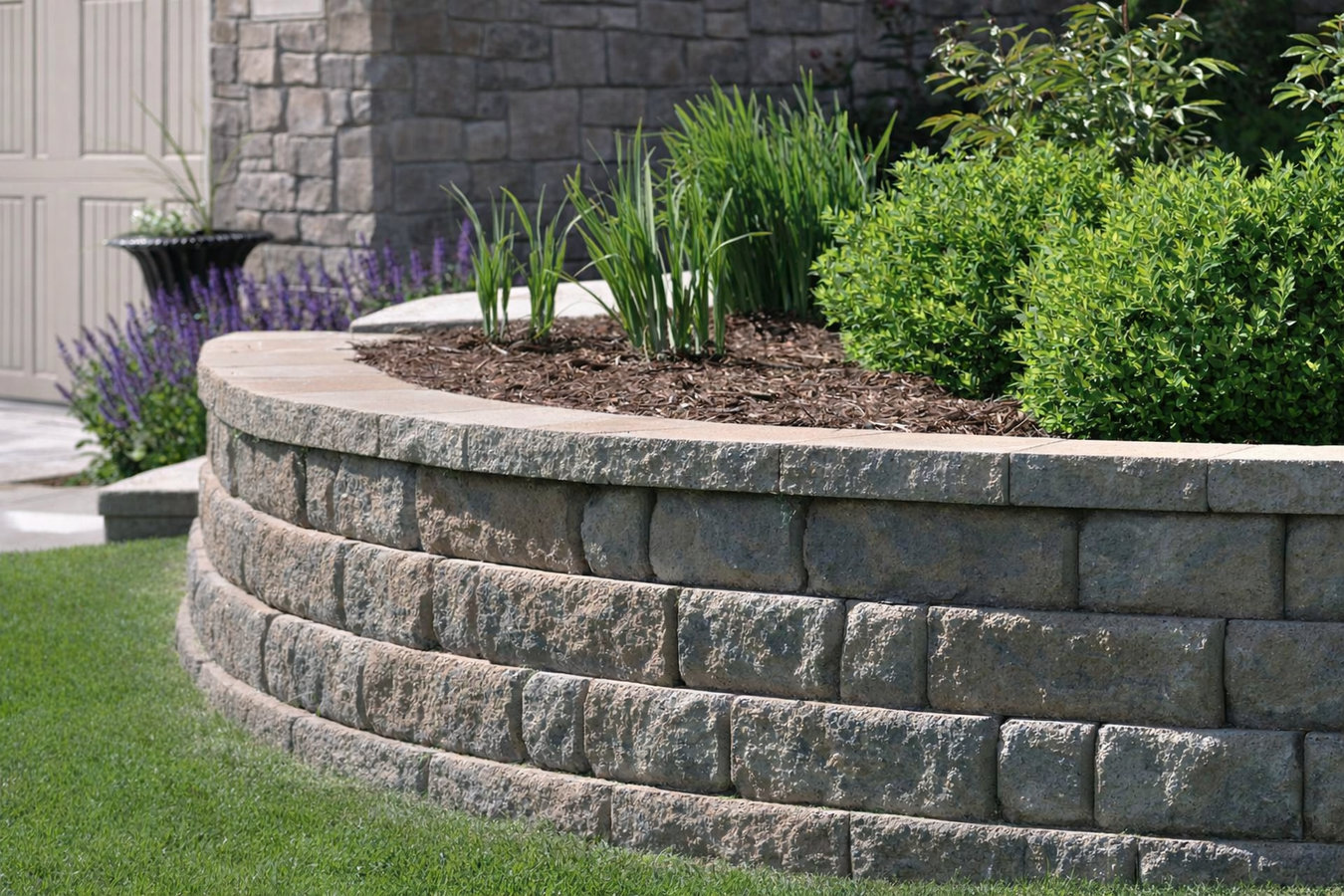
Soil creeping downhill, a leaning old wall, or a slope that washes onto your driveway every winter. We build retaining walls designed for Marin hillside lots, clay soils, and local drainage demands.
Retaining wall construction in Larkspur means excavating a footing, building a wall from concrete block, natural stone, or poured concrete, and installing a drainage system behind it so water pressure never builds up against the face. Smaller walls under four feet take two to five days. Larger walls requiring county permits and engineering review add several weeks of planning before construction begins.
Most Larkspur homeowners call us after seeing soil creeping onto a driveway or path after rain, or noticing a wall that has started to tilt or crack. These are not cosmetic problems - they are signs that water is building pressure behind an aging structure. Left alone through another wet winter, a leaning wall becomes a failed one.
If your slope project also involves creating usable level space or improving drainage across a larger area, our masonry restoration team can assess existing stone or block features on the property at the same time. For structural wall needs in the yard or at the property boundary, see our concrete block walls service.
If dirt, gravel, or mulch washes down onto your driveway or walkway every time it rains, your slope is eroding and moving. In Larkspur's wet winters, that kind of erosion can accelerate quickly. What starts as a minor nuisance can become a significant slope failure within a season or two.
A wall that tilts forward, shows horizontal cracks, or has developed a belly in the middle is telling you that water pressure has built up behind it. This is especially common on Larkspur hillside properties where clay soils hold moisture for weeks after a storm. The wall needs attention before it fails completely.
When a slope above your home lacks proper drainage or containment, rainwater flows toward the lowest point, which is often your foundation. Standing water near your house after storms or damp spots in a crawl space may mean a retaining wall with drainage is part of the solution.
If a significant portion of your yard is too steep for a garden, patio, or any usable space, a retaining wall can create level terraces that turn that wasted slope into functional outdoor area. Many Larkspur homeowners with canyon-facing lots have done exactly this.
We build retaining walls from concrete block, natural stone, and poured concrete, and we install proper drainage behind every wall we construct. For homeowners who need a wall that also fits the look of their property, our masonry restoration service can assess and repair existing stone features nearby, keeping a consistent appearance across the yard.
When a project calls for structural separation rather than soil retention, our concrete block walls service handles property boundary walls, freestanding garden walls, and other non-hillside structural needs. We keep the scope of each project clear in the written estimate so you know exactly what you are getting.
Best for homeowners building new walls on hillside lots or terracing a slope to create usable yard space.
Right for properties with an existing wall that has moved, cracked, or failed due to inadequate drainage behind it.
For walls four feet or taller, we handle the Marin County permit application and coordinate structural engineering review.
Suited to steep lots where a single tall wall is not the right solution and multiple stepped walls create a safer, more attractive result.
Larkspur sits at the base of the Marin hills, and many homes - particularly in the Baltimore Canyon and Madrone Canyon neighborhoods - are built on slopes that require retaining walls just to create usable yard space. Marin County's clay-heavy soils swell when wet and shrink when dry, putting repeated stress on any wall that was not designed with that movement in mind. A wall built without proper drainage behind it will crack or tilt within a few years in this soil, even if it looked perfect at installation. Any experienced retaining wall contractor working in Marin County selects materials and drainage systems suited to local soil behavior, not a generic standard.
Larkspur averages around 40 inches of rain per year, most of it falling between November and March. That timing matters for construction scheduling and for how we build drainage into every wall. We work throughout the area, including Mill Valley and San Rafael, where hillside conditions and county permit requirements are similar to what we manage in Larkspur every day. For permitted walls, the Marin County Community Development Agency handles structural review, and we manage that process on your behalf.
A retaining wall on a Larkspur hillside lot is too site-specific to quote over the phone. We schedule a visit to look at your slope, soil, what is above and below the wall, and how water moves through the area. You will hear back within one business day to confirm timing.
You receive a written estimate covering materials, labor, drainage, and permit fees if your wall will be four feet or taller. We explain the permit process clearly so there are no surprises about timeline or cost. We do not accept verbal quotes for hillside projects, and neither should you.
For walls that need county approval, we submit the permit application on your behalf, often with drawings from a structural engineer. This can take several weeks in Marin County. Starting early - before the rainy season - is the best way to avoid a rushed schedule.
Work begins with footing excavation, the noisiest part of the job. The wall goes up in stages with drainage gravel and pipe installed behind it as work progresses. We walk you through what is being installed and why before it is covered over. A county inspector signs off on permitted walls before we close out the project.
No pressure. We assess your slope, explain what is needed, and give you a written quote with permit fees included.
(415) 390-3464The most common reason retaining walls fail is water pressure that builds up behind them because drainage was skipped. We install gravel and perforated drain pipe behind every wall we construct. The drainage system is hidden once the wall is done, so a contractor who does not show you what they are installing should raise a question.
Sloped lots in Larkspur, Baltimore Canyon, and Madrone Canyon present conditions that flat-lot contractors are not prepared for. We have built retaining walls on steep hillside properties throughout the area and understand how Marin clay soil behaves across a wet winter. That local experience changes how we build.
For walls four feet or taller, we manage the Marin County permit application, coordinate the structural engineering review, and see the project through the county inspection. A permitted wall is documented proof that your structure was built correctly, which protects you when you sell your home.
One of the most common complaints about retaining wall projects is a low quote that balloons once work starts. Our written estimates cover materials, labor, drainage, and permit fees so there are no surprises when the invoice arrives. Verify any contractor's state license at the California Contractors State License Board before signing anything.
The drainage behind a retaining wall is what you cannot see, and it is what determines whether the wall is still standing in 20 years. When you work with Larkspur Masonry, you get a contractor who treats the hidden work as seriously as the visible face of the wall.
Repair or refresh existing stone and masonry features on your property alongside your new retaining wall project.
Learn MoreStructural block walls for property boundaries, garden enclosures, or freestanding applications where soil retention is not the primary need.
Learn MoreDry-season slots go fast - contact us now and we will assess your slope, handle the permit if needed, and get your wall built before the next wet season arrives.