
Loading...
Serving Larkspur, CA and surrounding areas. (415) 390-3464
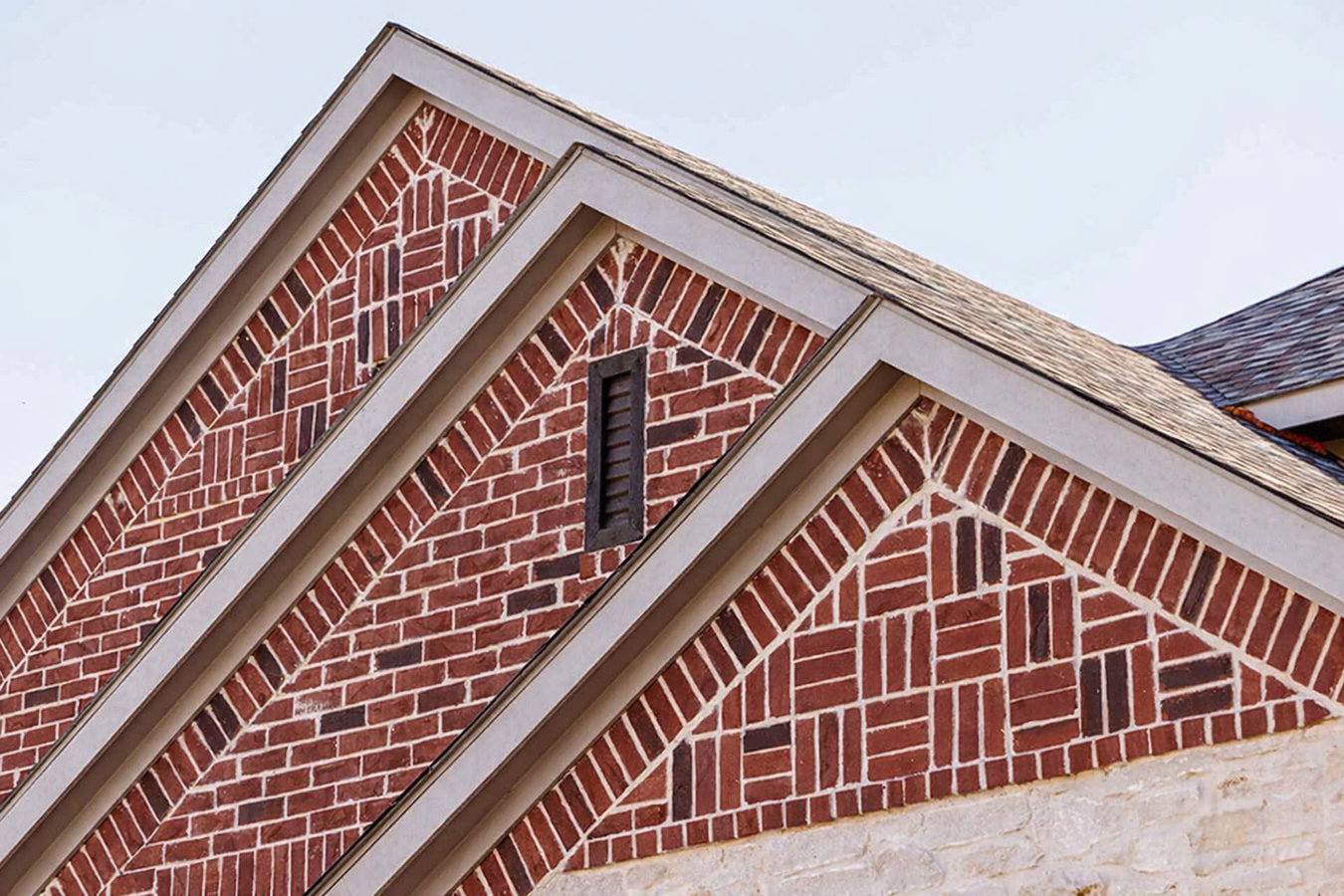
Crumbling mortar and aging brick let water in fast. We restore your masonry before the damage reaches your home's structure.
Masonry restoration in Larkspur covers repairing, cleaning, and stabilizing brick, stone, or block that has started to crack, crumble, or let water through - most jobs take one to three days and leave the wall weathertight without tearing it down.
In Larkspur, the combination of coastal fog, older housing stock, and Bay Area seismic activity means masonry problems tend to move faster than they would in a drier, less active region. A small gap in a mortar joint can open into a real water intrusion problem within a single wet season. The good news is that catching damage early costs a fraction of what a full rebuild runs. If the structure also has chimney concerns, our chimney repair work addresses those alongside the broader restoration.
Masonry restoration in Larkspur is also where matching materials matters most. Many homes here were built with softer lime-based mortars, and filling those joints with modern hard-cement mix can crack the original bricks. We assess what is already there before we mix anything new.
Run a finger along the joints between your bricks or stones. If the material feels sandy or comes away with light pressure, it has lost its bond. In Larkspur's foggy climate, this kind of surface deterioration can progress to deeper damage within a single wet season if ignored.
A chalky white residue - called efflorescence - signals that water is moving through the wall and carrying dissolved salts to the surface. It is not dangerous on its own, but it tells you moisture is getting in somewhere. In Larkspur, where marine fog keeps walls damp for long stretches, this is a common early warning worth taking seriously.
If you noticed new cracks in a chimney, retaining wall, or exterior masonry after an earthquake, those cracks deserve a professional look. The Bay Area's seismic activity can shift masonry in ways that look cosmetic on the surface but compromise structural stability underneath.
Damp spots, peeling paint, or water marks on the inside of a wall that backs onto brick or stone outside mean water is finding a path through. This is especially common in older Larkspur homes where original mortar has softened over decades. Interior damage is usually the last sign to appear - by the time you see it, water has been getting in for a while.
Masonry restoration is not one fixed job - it is a range of work shaped by what your specific wall or structure actually needs. The most common repair is repointing: removing failed mortar and pressing in fresh material matched carefully to what is already there. For older Larkspur homes, that matching step is not optional - it is what determines whether the repair lasts or causes new damage. We also handle spalled brick faces, efflorescence treatment, and stabilization of walls that have shifted slightly from seismic activity. If the work uncovers structural concerns that go deeper, we will tell you directly rather than patch over a bigger problem.
Masonry restoration often connects to other work on the same property. Many customers whose walls need repointing also need attention on a fireplace installation or a full stone masonry feature that has been aging alongside the rest of the structure. We look at the full picture and let you know what is worth addressing together and what can wait.
Best for walls where bricks are sound but joints have softened, hollowed, or receded below the surface.
For bricks or stones where the face has chipped or flaked away, exposing the interior to further moisture damage.
Addresses the white salt staining that signals active water movement through the wall - treated at the source, not just the surface.
For structures showing movement or seismic-related cracking that needs structural assessment before cosmetic repair.
Larkspur sits in a fog belt fed by the Pacific through the Golden Gate. Even in months that feel dry, masonry walls here face persistent moisture that works into small cracks, freezing on cold nights and expanding just enough to widen the gap. Over a few seasons, what starts as soft mortar becomes a water intrusion problem that reaches interior walls. Homeowners in Mill Valley and Corte Madera face the same coastal moisture pattern - and the same compressed window between when damage is repairable and when it becomes a rebuild.
The housing stock adds a layer of complexity. Much of Larkspur was built in the early to mid-1900s, with original brick chimneys, stone garden walls, and decorative masonry features that predate modern materials. Those structures were built with softer, lime-based mortars designed to flex with the wall as it breathes and moves. Using the wrong replacement mortar - something too hard and rigid - transfers stress to the bricks and causes cracking that the repair was supposed to prevent. Masonry restoration in Larkspur requires a contractor who understands the difference, not just someone who shows up with a bag of cement.
When you reach out, we will schedule a time to visit your property - usually within one business day. Photos help, but an in-person look is the only reliable way to assess how deep the damage goes and what materials will be needed.
We assess how deep the mortar damage runs, whether any bricks or stones need replacing, and what mix will match your existing wall. You receive a written estimate that breaks the work down clearly - not just a single number.
Before the crew arrives, clear furniture and planters within a few feet of the wall. You do not need to be home for most of the work, but being reachable by phone on the first day is helpful if questions come up.
Old mortar is removed to solid material, new mortar is pressed in and shaped to match the original profile. When done, we walk the job with you so you can inspect the finished joints up close before we leave.
Free estimates, written before any work begins. We reply within one business day.
(415) 390-3464Larkspur's older homes were built with lime-based mortars that behave very differently from modern cement mixes. We assess existing mortar before mixing anything new, so the repair strengthens the wall rather than causing the bricks to crack.
We look for signs of seismic-related shifting - not just surface weathering - so you know whether a crack is cosmetic or signals structural movement. Living near the Hayward and San Andreas faults means that distinction matters.
When your project requires a permit from the City of Larkspur's building department, we handle the application and inspection coordination. That keeps your project on record and protects you when the time comes to sell.
After the job, mortar joints should look clean and consistent - not like a bright white patch on an old wall. We work carefully to match color and texture, so the repaired sections read as part of your home, not as obvious repairs.
Masonry restoration done right the first time saves real money compared to repeated patch jobs or a rebuild. We are transparent about what your wall actually needs, and we walk every completed job with you before we leave so you can see the work up close.
For general contractor licensing standards, see the California Contractors State License Board. For guidance on historic mortar materials, the National Park Service Preservation Briefs are the most respected resource in the industry.
Add a custom masonry fireplace built to handle Larkspur's damp winters and local permit requirements.
Learn MoreNatural stone walls, pillars, and features installed to complement your home's existing masonry character.
Learn MoreLarkspur's fog and winter rain find every weak joint - get a free written estimate now and lock in your repair date before the wet season fills the schedule.